Pros and Cons of Social Media (and how to stay safe online)
It’s been just over a year since our world was hit with a great deal of uncertainty, and if there’s anything my mother would have to say about it, it would be to question everything and research everything. So naturally, I have been doing both, as well as looking at all sides of all things. This doesn’t necessarily mean I agree with everything on one side or the other, just looking. So far, I’ve acquired many thoughts on how I feel about the current state of our world and how it has been affecting people both physically and mentally. And today, I want to concentrate on how this all ties in with social media — a place where many of us have turned to as a means to stay connected.
Now, while I’m all for staying connected on the internet, I think it’s still very important to take breaks when needed — exchange the blue light for some sunlight, you know? However, because so many people, (myself, included), do part-take in online social interactions, I figured it was important to address both the pros and cons of using social media (and how to stay safe online).
Let’s start with the PROS:
1. COMMUNICATION
Communication is a vital part of human connection, and how lucky are we to have so many forms of it — at least until this virus hit…. While online use of social media has greatly increased over the last year, it was still very much “a thing” prior to all these in person restrictions. Take my mom for example (approximately 10 years ago) — a social butterfly in person and in the virtual world. Aside of nature and time spent with family, for her, online community was absolutely necessary, especially when she was sick and felt too weak to go anywhere. After a long day in the sun, you would most likely find her clicking away on the keyboard, having lengthy discussions with friends on current events, or laughing and occasionally stirring the pot and voicing her opinion(s) on Facebook — now I know where I get it from. I bet if my mom were here in the physical world today, she would be clicking the living heck out of that keyboard. I’m sure many people can relate to this right now. I mean, it’s the one way we can all still communicate (currently), and I, for one, am thankful for that.
2. ENCOURAGEMENT
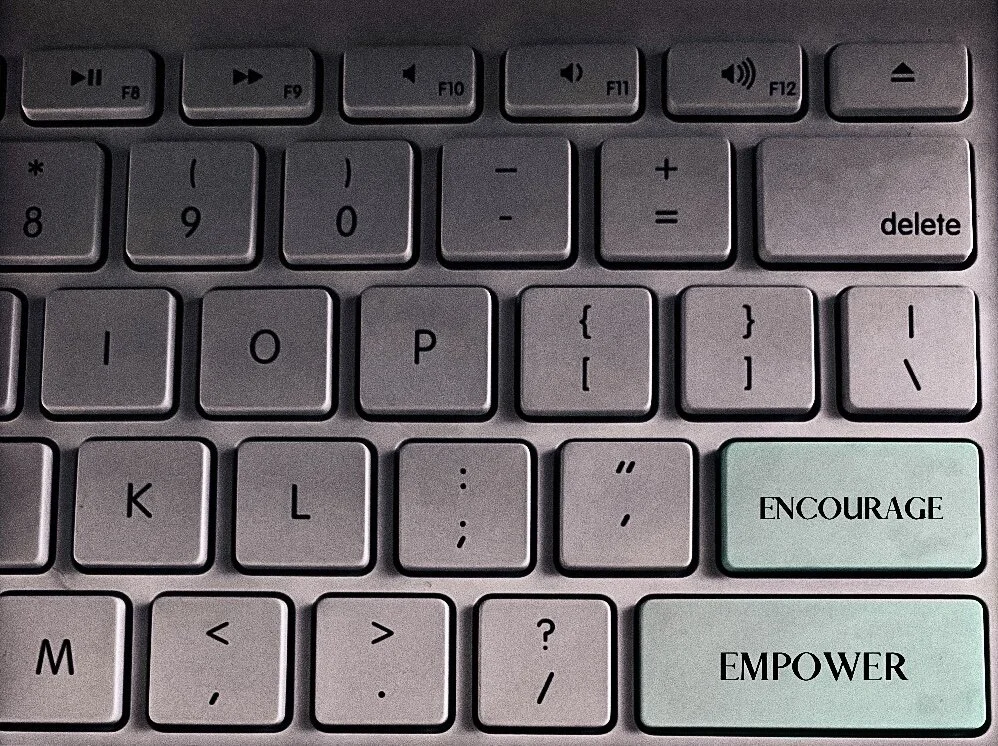
From seeking perspective, to disarming social stigmas, and everything in between, there are many ways people have been using their online platforms to uplift, empower, and encourage others. And let me tell you, I’m all about all of it (and so was my mom). I believe it is extremely beneficial to root for each other (even if it’s on the computer), as well as to be able to so easily check in on each other. And given the fact that what we see on someone’s IG or FB, is really only a fraction of their life, we never truly know the depth of what they could be going though… This is where genuine online interactions could positively impact their day or even their life. When my mom was sick, she received so much love both in person and online, and those extra little “just because” messages from distant friends made a huge difference for her mental well being.
3. RESEARCH AND DISCUSSION
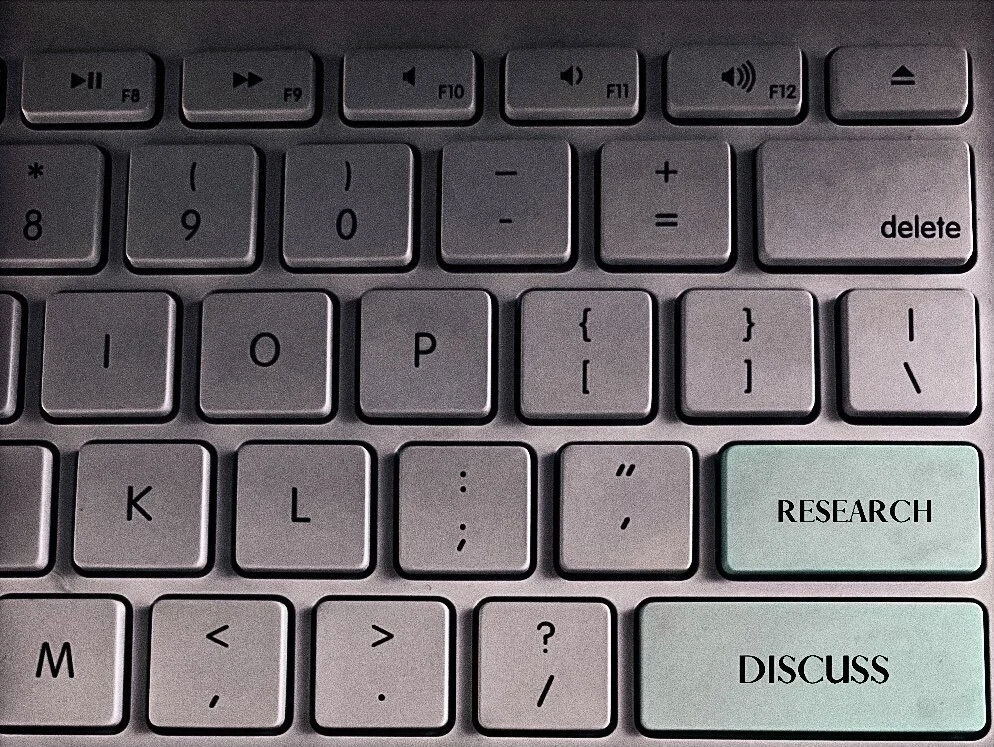
The power of sharing can go such a long way when it comes to social media. This includes education within current events, environmental studies, physical health studies, mental health studies, social injustices, world crisis, and SO much more. I think it’s good to stay up to date and know what’s going on, and to really know what’s going on. With the number of “save” and “share” options social media has to offer, it can be one of the most convenient ways to get much needed information out there. If only the algorithm wasn’t getting messed with every two seconds. Anyway, regardless of what the media does or doesn’t show us, there’s still a lot of reputable information out there if you go looking for it. From platforms to podcasts, you can find almost anything that sparks curiosity for the greater good. Over the weekend, I’ll be listing some educational platforms on my IG stories, that I recommend checking out and for staying up to date. Please note, I’m still in the process of researching things and I’m always open to hearing new information, so if you have any recommendations on educational platforms under any important subject(s), please let me know!
4. CREATIVE MARKETING
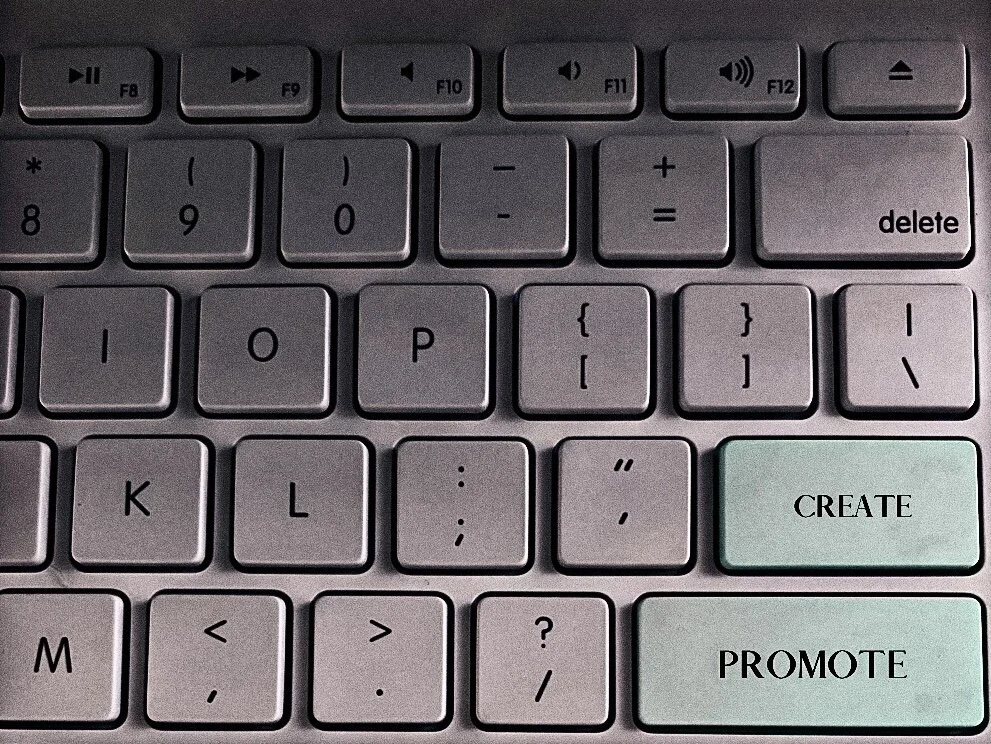
Over the years, social media has implemented many creative tools outside of just “post”, “like”, “save”, and “share”. Remember when Facebook was all about posting timeline photos of your cat and other random things like what kind of cake you would be if you were a cake quizzes (throwback 2007) or what kind of ate for dessert… or breakfast (I’m not judging). How about when Instagram was strictly, “Just For Fun”, without the category label attached…. Well, in this day and age, you can have the whole damn cake and eat it too. What I mean by this is, you can create a business page on Facebook, dedicated to cake (for example) and still share pieces of it on your regular timeline. Oh, and in case you haven’t noticed, it has become completely normal to create an Instagram page just for photos of cake, or even your cat, which is actually pretty cool if you ask me. Anything goes these days on social media, and the increasing variety of options can be very beneficial to the beyond “Just For Fun” side, as these options provide unique ways to create and promote content. In fact, you can even find a “promote” button on both IG and FB (for business), as well business tools to track insights and analytics. And as for the creative production of content — “stories”, “series”, “reels”, and “guides” have been of great use for so many businesses, as well as bloggers and entrepreneurs. The best part about this creative approach, is that it gives more opportunity for local shops and small businesses to be discovered. I can’t express enough how important it is to support the locals when you can, especially given the current times we are in. With that said, I will be sharing some of my favourite local businesses on my IG stories over the weekend as well.
Now for the CONS:
1. TIME DRAIN / DISTRACTION
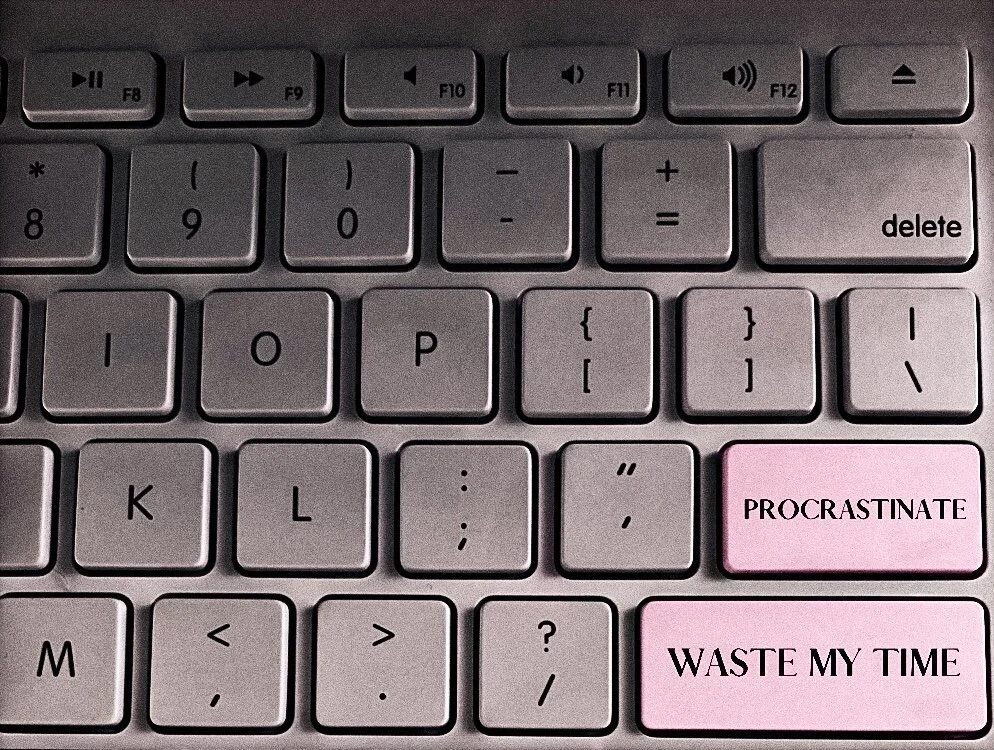
Distraction = increased procrastination = decreased hours that you will never get back, which is often a result of excessive screen time use. As much as social media can be an awesome and convenient way to communicate, a lot of that time is also spent on aimless scrolling. Over the last year, there has been a significant increase of screen time and social media use. I mean, what did we expect, really? According to recent stats via Global Social Network , the average person currently spends anywhere from 2 - 4 hours daily, and that’s just on social media. This amounts to 15+ hours per week. And if you think that’s bad, the average kid / teen (8 - 18) spends up to 7.5 hours in front of a screen each day, with over half of those hours dedicated to social media alone. What sucks the most about this is, the more we connect to the digital world, the more we disconnect with our environment outdoors, as well as the importance of physical contact. If only we could work harder to create a healthy balance, because right now I feel that we are way off and if we keep going on like this, our planet will suffer, as will the state of our mental well being. I’m currently trying to navigate a balance with it all and in doing so, I plan to implement more social media breaks into my life to connect with nature, as well as express appreciation outside of various social media posts.
2. DISCOURAGEMENT / DISRUPTION
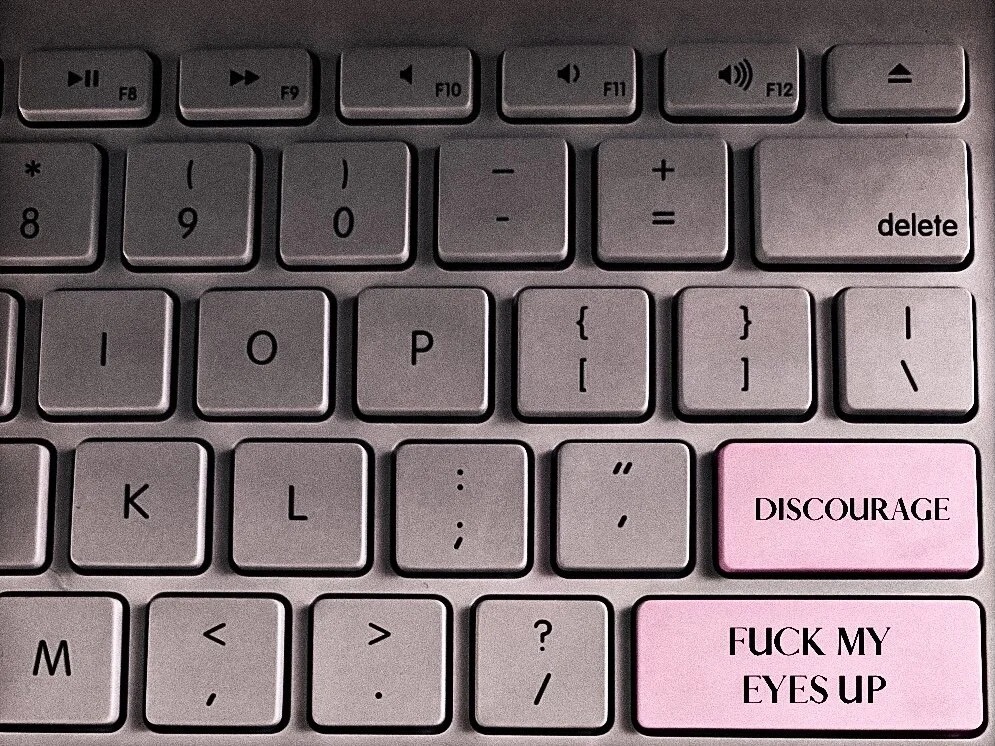
Ever catch your self squinting at your screen until your eyes feel so disrupted that you have to force yourself to put it down? Well, I’ve definitely been there and it’s a recipe for disaster. Not only does excessive screen time have negative effects on the eyes, it can also negatively impact the brain. My doctor recently told me that the blue light emitted from screens suppresses our melatonin levels, which as a result, can interfere with our internal clock and trick the mind into thinking it’s still daytime, even when it’s well past. This can lead to a number of sleep abnormalities, such as restlessness and insomnia, which can also lead to a number of other health concerns, such as increased irritability and cognitive function. I guess I should probably go to bed now...
“Okay, I promise I’ll go to bed soon, but first let me get hit with another shot of dopamine” — these are the words of the mind telling us to check our socials “just one more time”. Whether it be right before bed or first thing in the morning, or even the middle of the day, social media often has us endlessly searching for another “hit” of this very powerful chemical messenger. And while low levels of dopamine are considered to be destructive to mental health, so can high levels of it. It’s that, “too much of a good thing isn’t so good” kind of deal. According to a recent psychology research study, conducted at UBCO, high levels of dopamine in regards to social media, can form into unhealthy habits, such as online addictions. This research also noted that increased social interactions during self isolation, often left people feeling even more isolated after that initial “hit” of dopamine, “Much like the effect of coming down off of a heavy drug”. This is why I believe in person contact is still important, because it’s a natural part of how we interact as humans. And while it’s natural to evolve and create and discover new things, Facebook and FaceTime, no matter how much it has been “normalized”, isn’t exactly a natural form of communication (at least compared to “in person” communication). Now, does that mean it’s a bad form of communication? Absolutely not, and I still stand by what I said at the beginning of this blog post. However, in excess, social media use does have the potential to be dangerous, particularly to the mind.
3. DECEPTION
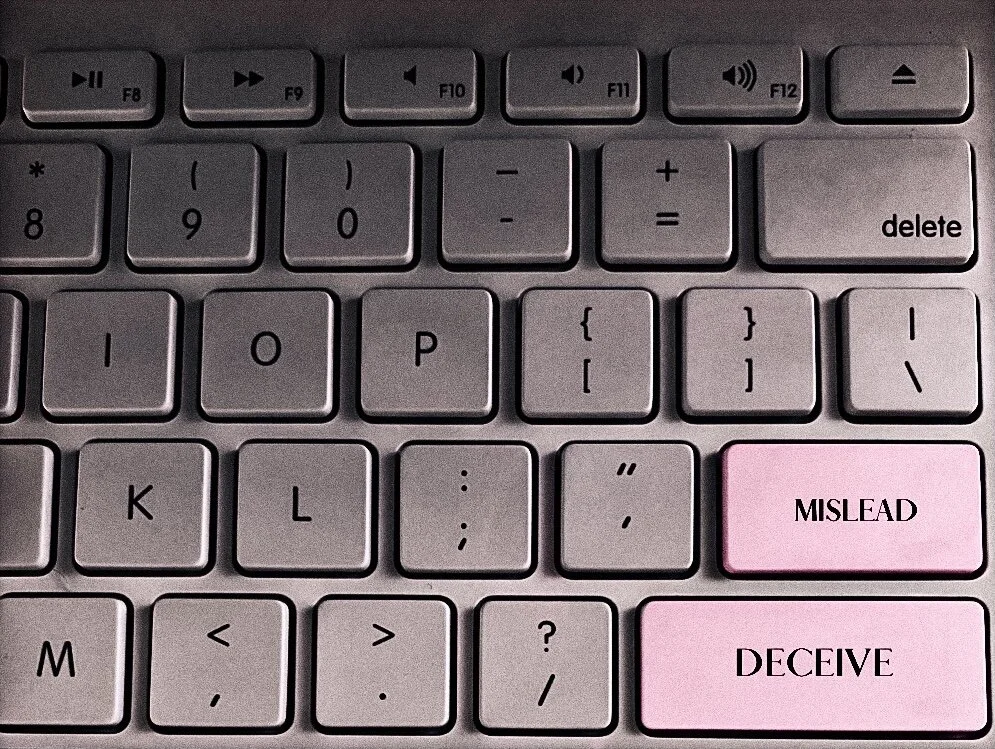
Much like “the dopamine effect”, social media, itself, can be extremely deceiving at times, as well as confusing, and hypocritical. For instance, we live in a society who actively creates Snapchat filters, while at the same time shames people for using them. This then creates a cycle of confusion, self-doubt, and constantly comparing ourselves to others. This is only one example, and the messed up part about it all, is that we are often comparing ourselves to others who are comparing themselves to others, which ultimately feeds this vicious cycle. The main problem with this kind of deception is that it promotes a false sense of reality and in person connection. It’s easy to hide and get lost in these seemingly “perfect” little squares and play the compare and contrast game. Let’s not forget that many people use Facebook and Instagram as a highlight reel, only showcasing positive moments. And don’t get me wrong — this can have a very enlightening affect on others, but the truth is that we are only seeing one moment here and there of someone’s entire life. We don’t know what else goes on behind the scenes, and we don’t need to know, because it’s none of our business. It’s important to understand that those who only post positive things have every right to do so. The same goes for people who post negative things, or a combination of both. Everyone has a right to post what they want, just like everyone has a right to choose what kind of content they want subject themselves to. Regardless, if you’re ever feeling overwhelmed or find yourself comparing yourself to others, taking a break from social media can be extremely helpful, even if it’s just for the rest of the day. Whenever I take a break, I feel like I am being brought back to reality as I begin to re-connect with nature and allow myself to go through the emotions in a safe environment.
Another form of deception is misleading information, and there is sadly A LOT of it out there. Let’s take this Pandemic for example — the amount of misinformation about it that people are getting absorbed in, is disappointing (to say the least). I cannot stress enough how important it is to thoroughly research things and site sources, as well as fact check and find out whether the information being read is reputable. While there are TONS of reliable sources out there , there are also MANY false ones to watch out for. And just to be clear, this goes for ALL sides of the Pandemic argument. Same with any debate on any subject.
4. INVASION OF PRIVACY / SUBJECT TO CRIME
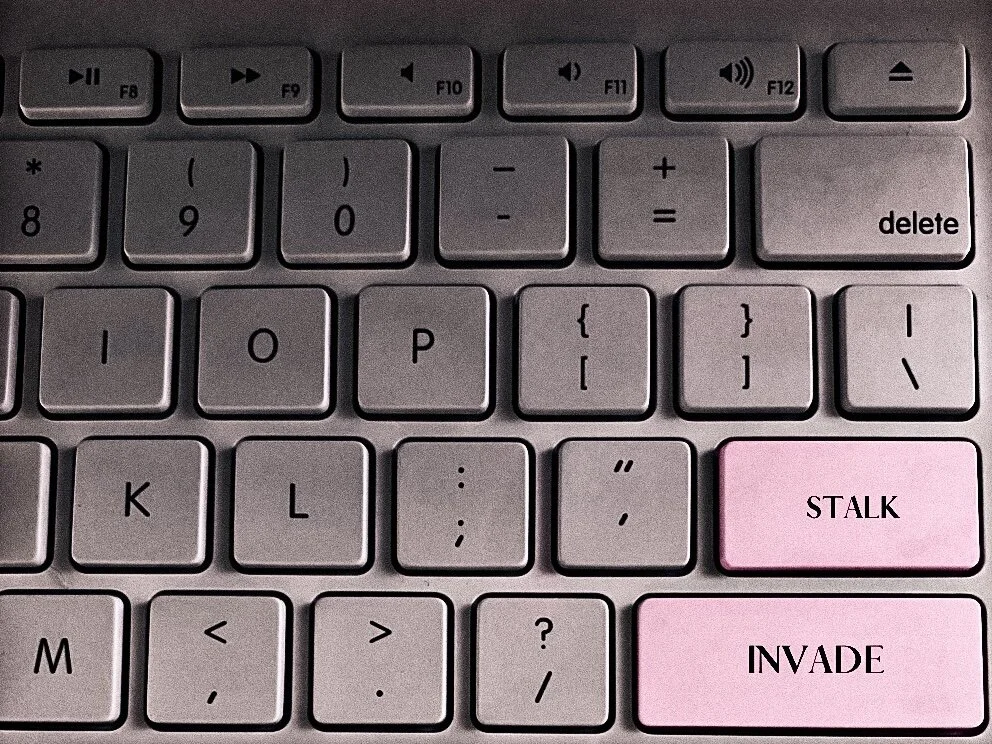
I once had a girl from my high school, harass me in person, as well as online, then proceeded to stalk me on all my social media accounts. I’m almost certain she made a fake account in my name once too, but since I don’t have “definitive proof” of that particular incident, I can’t say it was actually her. The truth is, it could have been anyone and it could happen to anyone. People reading this probably think I’m crazy for having more than one public social platform. However, after the harassment ended and a lot of thinking was done, it was a choice I was willing to make. The way I see it is, if people want to stalk or harass someone online, they will find a way, regardless of privacy settings. Will they be successful? That all depends on the privacy settings put in place and the level of desperation the stalker carries. For me, having an online platform to write publicly and connect with a wider audience has been a dream of mine (and my mom’s) for a long time. So, at the end of the day, I wasn’t going to let some creepy choice word girl from high school control that for me. I will say though, that in making this decision, I have taken the time to monitor things extra carefully, and I choose what I want to post publicly and what I rightfully don’t want to post publicly.
If you are in the same boat, here are some things you can do to protect yourself (as much as possible) while having a public blog or IG platform:
PRIVACY POLICY
If you have a public blog, it’s a good idea to write a privacy policy (for both you and your subscribers). If you aren’t sure what to write exactly, you can usually find legitimate templates on whichever host you are using to power your blog, then suit it to your needs. And be sure to read their privacy policy in full while you’re at it. Better safe than sorry.
HIT THE “BLOCK” BUTTON
When previously mentioning social media tools, I forgot to add the “block” button. If you have a public IG account and don’t want to set it to “private”, this button will be your best friend. Obviously use this for any shady accounts that try to follow you or interact with you, but also if you already know people out there who might try to creep your feed — write a list of those people and block them to begin with. Note, this doesn’t mean they won’t try to search for you under another alias, but if you really want to have your account set to “public”, then that’s a risk you will have to take.
HIT THE “RESTRICT” BUTTON
Don’t want to block Aunt Margie, but also don’t want her seeing your “suns out, buns out” photo on your IG feed? Well, you can restrict her account without blocking her or removing her as a follower. Just go into your Instagram privacy settings and find “restricted accounts”. She will not be notified, but she also won’t see your photos in the newsfeed. That being said, if she goes to your profile, she could still see it there. Again, a risk you will have to take. You can also do something similar with IG “stories”, in which you can restrict certain people from viewing your story or limit your story audience to “close friends” when needed.
MONITOR YOUR FOLLOWERS
I don’t have time to constantly keep track of who recently followed me, but I take time at the end of every month to go through my followers list and delete/block any accounts that raise even the slightest suspicion(s). Another thing to avoid suspicious followers or bots — DO NOT BUY THEM. I have heard so many horror stories of people buying fake followers and then having their accounts compromised and even hacked. I’m a quality over quantity type of person, looking to build genuine connections, so I don’t care about how high or low my follower count is, and honestly, neither should you. When you buy fake followers, you are only buying a number and one that comes with potential side effects. I don’t know about you, but it’s a, “No effing thanks”, for me.
MONITOR YOUR MESSAGES
Keep a close eye on your messages and triple check EVERYTHING. Also, do NOT click any links contained in ANY messages sent to you right off the bat, especially from accounts you are not familiar with. This goes for emails, Facebook Messenger, and Instagram messaging. Many of these links are scams used to hack accounts and often times all it takes is a single click. A lot of them will even pose as Instagram or Facebook and use the, “Your account was recently hacked”, trick. If your account is truly hacked, the official Instagram or Facebook profiles are the only ones who will notify you of this. People can be super sneaky though and can look very professional, so never be quick to click anything. Many of these links come from supposed “brands” too, who are looking to “collaborate”. Yeah, “collaborate”, as in, me giving you my information, so you can use it against me? Once again, it’s a, “No effing thanks”, from me. Only I won’t actually say that to them (as much as I would like to). It’s honestly best not to ever reply to any of these messages. Even the smallest interaction can carry major risks. Going forward, I recommend organizing your messages to control which accounts can show up in your “Primary” inbox vs which accounts you want automatically moved to “General” or “Requested”, then delete and/or block them from there.
OBTAIN IG CODES
In case you ever get locked out of your account from a hacker (or something of the sort), you can screenshot special codes ahead of time, created for you by Instagram, so that you can “safely” return to your account. Save these codes in a special place like a hidden file folder on your phone. I also recommend changing your password every month or two and always make it’s ridiculously unique and/or even completely unrelated to anything about you. Hackers will stop at nothing, but changing your password can make it more difficult for them to get into your account. And believe me, I know it’s a pain in the ass when IG says you need 5 numbers, 6 capital letters, 7 special characters, a handstand, and a cartwheel when initially creating your password, but they do this for a reason and it’s for your own protection.
INSTALL MALWARE
As it turns out, COVID-19 isn’t the only virus going around…. Even if you’re not directly on social media or using an app, your device still has the potential to catch a virus and/or be hacked. To avoid this from happening on your computer, check the status of your malware protection and if you don’t have any, do your research and install one that come from a legitimate site. My MacBook already came with built-in software for this and many laptops do, but it never hurts to double check.
Please note, anytime you use social media, no matter the status of your privacy settings, you can be subject to crime. This includes invasion of privacy, identity theft, online harassment / stalking, as well as phishing scams. For these reasons, I can’t stress enough about how important it is to check your settings and closely monitor your account(s) on a regular basis.
If you have any other questions about privacy settings, etc, feel free to send me a message. Just don’t add a “special link” in with it.
Okay, now it’s really getting late, so I should really probably actually go to sleep now.
Friendly reminder to stay safe, not only outside and in-person, but online as well. And don’t forget to close your computer windows every now and then. While internet connection is rightfully important to many, it’s also important to open the window of opportunity to connect with nature.
Note, all opinions expressed in this post are my own, and all facts have been sited.